
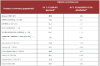
Table 1 reports the sociodemographic characteristics of the 43 participants with complete responses. About half of the participants (51%) were 25 to 29 years of age, and more than half were female (53%). The majority (63%) of these participants were in their third year of the dental school program and already had a bachelor’s degree. Eight participants (19%) identified themselves as members of visible minority groups.
Table 1: Overview of social media and advertising guidance resources available to supplement provincial legislation across Canada
 Full size table ❯
Table 1: Sociodemographic characteristics of participants (n = 43)
Characteristic
No. (%) of participants
Note: CEGEP = Collège d’enseignement général et professionnel.
Age (years)
< 2516 (37)
25–2922 (51)
30–395 (12)
Gender
Male19 (44)
Female23 (53)
Prefer not to answer1 (2)
Year in dental program
Third27 (63)
Fourth or fifth16 (37)
Highest level of education (before starting dental program)
CEGEP/college or lower8 (19)
Bachelor’s degree27 (63)
Master’s degree8 (19)
Aboriginal
No43 (100)
Yes0 (0)
Prefer not to answer0 (0)
Minority
No32 (74)
Yes8 (19)
Prefer not to answer3 (7)
Disability
No43 (100)
Yes0 (0)
Prefer not to answer0 (0)
Perceptions and attitudes about using teledentistry
Table 2 presents the results regarding respondents’ attitudes toward teledentistry, based on 46 responses. The participants had positive views of teledentistry. The top 3 perceived goals of using teledentistry were facilitating patients’ access to oral health care providers (98% of respondents), enabling patients/families’ access to oral health care providers (83%) and enhancing the continuity of oral care, particularly during crises such as the COVID-19 pandemic (80%). When respondents ranked the importance of potential goals of teledentistry, facilitating patients’ access to oral health providers had the highest ranking (mean 2.9, standard deviation 0.4).
Table 2: Participants’ attitudes regarding teledentistry (n = 46)
Attitudes, by category
No. (%) of participants
Note: SD = standard deviation.
aExcept where indicated otherwise.
bRespondents were asked to rank these 10 goals in order of importance. Data represent mean rankings across all respondents.
Main goals of teledentistry
To facilitate patients’ access to oral health providers45 (98)
To facilitate patients/families’ access to oral health providers38 (83)
To improve the continuity of oral health care (e.g., during the COVID-19 pandemic)37 (80)
To be a potential solution for shortage of oral health providers’32 (70)
To facilitate oral health providers’ access to patients29 (63)
To facilitate communication and coordination of care among members of a care team28 (61)
To facilitate communication between oral health providers28 (61)
To facilitate access to other health care providers19 (41)
To reduce oral health providers’ professional isolation13 (28)
To increase oral health providers’ income8 (17)
Most current uses of teledentistry
Screening41 (89)
Patients’ follow-up39 (85)
Triage of patient needs36 (78)
Oral health promotion/education33 (72)
Referrals30 (65)
Diagnosis of oral emergencies30 (65)
Consultation with other health care providers24 (52)
Prevention of oral/dental diseases18 (39)
Treatment of oral/dental diseases/conditions11 (24)
Population benefiting from teledentistry
People of all ages living in rural or remote areas34 (74)
People of all ages with disabilities25 (54)
Entire population24 (52)
Older adults23 (50)
Children (0–18 years of age)13 (28)
Goals of teledentistry, in order of importance (mean ± SD)b
To facilitate patients’ access to oral health providers2.9 ± 0.4
To facilitate patients/families’ access to oral health providers4.7 ± 9.4
To facilitate communication and coordination of care among members of a care team4.7 ± 0.3
To facilitate communication between oral health providers5.1 ± 0.5
To facilitate oral health providers’ access to patients5.2 ± 0.4
To increase oral health providers’ income5.9 ± 0.4
To be a potential solution for shortage of oral health providers5.9 ± 0.4
To facilitate access to other health care providers6.4 ± 0.4
To improve the continuity of oral health care (e.g., during COVID-19 pandemic)6.9 ± 0.3
To reduce oral health providers’ professional isolation7.2 ± 0.4
Among these same 46 respondents, the most current uses of teledentistry were perceived as screening (89%), patients’ follow-up (85%), triage (78%) and oral health promotion/education (72%). A substantial proportion of these dental students (74%) believed that residents in rural or remote areas, regardless of their age, would benefit the most from teledentistry.
Experiences and practices in using teledentistry
As shown in Table 3, just over one-quarter of respondents (26% [12/46]) reported having used teledentistry. More specifically, before the COVID-19 pandemic, only 11 (24%) of the 46 respondents had used teledentistry, whereas after the pandemic, 14 (30%) had done so. Phone calls represented the format most frequently used for teledentistry, both before (73% [8/11]) and after (71% [10/14]) the pandemic. Among those who reported prior experience in teledentistry adoption, general dentistry was the field in which this innovation was most commonly employed (92% [11/12]). Three-quarters of participants (75% [9/12]) used email to share resources and documents with patients. The primary purposes for which teledentistry was used were appointments (83% [10/12]), patient follow-up (75% [9/12]), triage of patients’ needs (58% [7/12]), screening (50% [6/12]) and oral health promotion/education (50% [6/12]).
Table 3: Participants’ experience with using teledentistry
Variable
No. (%) of participants
aMultiple responses allowed.
Experience using teledentistry (n = 46)
Yes12 (26)
No34 (74)
Fields of dentistry in which teledentistry was useda (n = 12)
General dentistry11 (92)
Periodontics4 (33)
Prosthodontics (fixed or removable)3 (25)
Orthodontics3 (25)
Endodontics3 (25)
Public health3 (25)
Oral maxillofacial surgery2 (17)
Oral medicine/pathology1 (8)
Oral radiology1 (8)
Pediatrics1 (8)
Ways in which resources or documents were shared with patients during teledentistry sessionsa (n = 12)
Email9 (75)
Texting4 (33)
Screen-sharing1 (8)
Tasks performed during teledentistry sessionsa (n = 12)
Appointments10 (83)
Patients’ follow-up9 (75)
Triage of patient needs7 (58)
Screening6 (50)
Oral health promotion/education6 (50)
Prevention of oral/dental diseases5 (42)
Diagnosis of oral emergencies4 (33)
Referrals3 (25)
Consultation with other health care providers2 (17)
Treatment of oral/dental diseases/conditions1 (8)
Prescribing1 (8)
Experience using teledentistry before COVID-19 pandemic (n = 46)
Yes11 (24)
No35 (76)
Most frequently used teledentistry information and communication technology before COVID-19 pandemica (n = 11)
Phone call8 (73)
Zoom3 (27)
Microsoft Teams1 (9)
Google Meet1 (9)
Experience using teledentistry after COVID-19 pandemic (n = 46)
Yes14 (30)
No32 (70)
Most frequently used teledentistry information and communication technology after COVID-19 pandemica (n = 14)
Phone call10 (71)
Zoom5 (36)
Microsoft Teams3 (21)
WhatsApp2 (14)
FaceTime1 (7)
Skype1 (7)
Educational training opportunities/needs with teledentistry use
Table 4 displays respondents’ perceived needs related to successful implementation of teledentistry. Only 1 (2%) of 44 respondents was aware of the teledentistry guidance documents published by provincial and territorial dental regulatory authorities in Canada, and none had received formal training and education in teledentistry. Most respondents (86% [38/44]) identified the clinical phase as a more suitable period within the dental program for learning teledentistry compared to the preclinical phase (50% [22/44]). A large proportion of participants (81% [35/43]) considered incorporating teledentistry into existing components of the curriculum as the ideal format for training. Among instructional methods, hands-on experiences were the most favoured (68% [30/44]), followed by simulation (61% [27/44]) and lectures (59% [26/44]). All options for key content of teledentistry training listed in the survey were perceived as useful by more than half of the respondents, with the applications (93% [41/44]), limitations (93% [41/44]) and benefits (89% [39/44]) of teledentistry being selected most often.
Table 4: Participants’ training needs in teledentistryVariable
Variable
No. (%) of participants
aMultiple responses allowed.
Awareness of guidelines/guidance on teledentistry in Canada (n = 44)
Yes1 (2)
No43 (98)
Past formal education/training in teledentistry (n = 44)
Yes0 (0)
No44 (100)
Ideal training format for learning teledentistry (n = 43)
Incorporation of teledentistry in existing components of the curriculum35 (81)
New courses on teledentistry8 (19)
Best time in the dental program to receive teledentistry traininga (n = 44)
Clinical dental education or clerkships38 (86)
Preclinical dental education22 (50)
I don’t know1 (2)
Ideal stage in the dental program to receive training in teledentistrya (n = 44)
Fourth or fifth year31 (70)
Third year21 (48)
First or second year18 (41)
I don’t think that teledentistry should be taught at dental schools4 (9)
I don’t know1 (2)
Appropriate instructional methods for teledentistry traininga (n = 44)
Hands-on experiences30 (68)
Simulation27 (61)
Lectures26 (59)
Online modules24 (55)
Case studies22 (50)
Small groups19 (43)
Group discussion15 (34)
Directed reading7 (16)
Writing reflection7 (16)
I don’t think that teledentistry should be taught at dental schools4 (9)
Key content for teledentistry traininga (n = 44)
Applications of teledentistry41 (93)
Limitations of teledentistry41 (93)
Benefits of teledentistry39 (89)
Ethical issues related to teledentistry (e.g., malpractice, abuse, privacy)37 (84)
Equipment and software37 (84)
Virtual dental examination in a simulated environment or care of a real patient36 (82)
Modalities on delivery of care36 (82)
Teledentistry communication skills and building relationships34 (77)
Consent (verbal and written)33 (75)
Professionalism in teledentistry33 (75)
Cost-effectiveness of teledentistry31 (70)
Workflow related to teledentistry31 (70)
Data storage (e.g., methods, confidentiality, privacy)30 (68)
Troubleshooting technical issues29 (66)
Discussion
This study aimed to explore the attitudes, practices and needs of Canadian dental students regarding teledentistry. Dental students who responded to the survey had a positive attitude toward the usefulness of teledentistry in improving access to oral health care, ensuring continuity of care, addressing the shortage of oral health providers and facilitating communication among health care professionals. Based on their understanding of teledentistry, respondents identified the most common uses of this approach as screening, triage, follow-up and oral health promotion/education. This concordance between attitudes and experiences with teledentistry highlights the importance of individual factors in the adoption of health innovations. It also aligns with existing literature, which highlights access to care and tele-expertise as the most common advantages of teledentistry.14
These findings on teledentistry functions were also suggested and used during the COVID-19 pandemic to improve patients’ oral health outcomes.2,11 Respondents’ limited use of teledentistry for diagnosing and treating oral conditions and for prescribing medication may be explained by a lack of confidence or training and their reliance on supervisors for consultations. Interestingly, respondents did not emphasize the impacts of teledentistry on dental offices’ income or on reducing oral health care providers’ isolation, which highlights the importance of dental professionalism and the social contract in providing accessible oral health care.26,27
Although most respondents indicated that they had not used teledentistry, some reported having already engaged with both synchronous and asynchronous modalities of teledentistry. Phone calls were the most frequently reported modality, followed by text messaging and screen-sharing. This poor knowledge of teledentistry has been reported previously by oral health care providers and dental students. Authors of prior studies have highlighted their limited knowledge, practice and training about teledentistry.28-31 Given the limited guidance on teledentistry-related clinical practice available in Canada, the common use of phone calls may be attributed to lack of need for the internet, ease of use and higher likelihood that individuals will have a phone as opposed to other platforms, such as Zoom (Zoom Communications, San Jose, CA) or Microsoft Teams (Microsoft Corporation, Redmond, WA) , as well as a lack of organizational readiness to implement teledentistry. According to respondents, platforms such as WhatsApp (Meta, Menlo Park, CA), FaceTime (Apple, Cupertino, CA) and Skype gained attention for this purpose only during and after the COVID-19 pandemic. Email and text messages were reportedly the most common means of sharing documents with patients, likely due to their widespread familiarity.
In 2017, the American Student Dental Association recommended the incorporation of teledentistry into dental schools’ didactic curricula.32 However, despite the benefits of doing so, dental schools worldwide have been slow to integrate teledentistry into their curricula,16,17,19,33 which could explain the lack of awareness regarding guidance on teledentistry among respondents to our survey. Although the release of guidance on innovations such as teledentistry can increase dental students’ awareness of and knowledge about the topic, this passive implementation strategy has only a modest effect on behaviour change, including the adoption of evidence-based practices or policies.2
In alignment with prior research,10-14 most undergraduate dental students who responded to our survey had a positive attitude toward incorporating teledentistry training into the dental curriculum at any stage, with a notable preference for inclusion of this topic during the final years of study and clinical training. This finding highlights the relevance of this new modality of oral health care delivery for students’ future dental practice. Our results align with those from the medical field, where physician trainees highlighted the importance of digital health and telehealth education in their medical degrees and expressed interest in integrating telemedicine into their preclinical and clinical training.34,35 Educational training offers an opportunity to introduce students to telehealth innovations and to develop digital skills that enhance patient outcomes.32 Originally intended for clerkship students, the introduction of foundational concepts of virtual care in the educational journey34 or during the preclerkship phase36 has proven successful. This approach aims to enhance the development of knowledge and clinical reasoning, enabling students to compare virtual with in-person care, recognize appropriate usage and learn best practices.37,38
Interestingly, respondents to our survey indicated a preference for integrating teledentistry as part of an existing component of the curriculum rather than introducing it as a new course. This approach aligns with the relevance of adopting multifaceted educational interventions where telehealth training is combined with existing competencies such as exposure to rural care and interprofessional training.37 Among the educational content to be included in teledentistry training, respondents recommended comprehensive coverage of topics such as the applications, limitations, benefits and modalities of teledentistry, as well as ethical considerations, with a preference for hands-on experiences, as has been reported in the literature.19 Our findings for dental students contradict those of a study involving dental hygienists, who showed a greater inclination toward didactic lectures, preclinical and clinical practices, and simulated cases.14 More than half of the dental hygiene student participants in that prior study expressed the relevance of integrating teledentistry training into dental hygiene extramural community rotations.14 While various approaches exist to address the need for increased exposure to teledentistry in undergraduate education, their dynamism underscores the importance of delivering comprehensive knowledge and skills to future health care providers.38 Considering the unprecedented development of innovation, moving beyond the simple exposure of students to telehealth technology is essential to equip them through evidence-informed digital clinical practice.37
To the best of our knowledge, this study is the first to investigate the perspectives of undergraduate dental students regarding the integration of teledentistry in Canadian dental schools. The insights from this study provide valuable information for decision-makers aiming to integrate teledentistry into dental curricula. Additionally, the findings guide attention toward specific programmatic stages where the inclusion of teledentistry topics would be most beneficial, influencing content and procedural considerations. However, this study was limited to dental students in 3 Canadian provinces and had a low participation rate, which restricts the generalizability, external validity and applicability of our findings to all Canadian dental schools. A key disadvantage of online surveys is their typically lower response rates (relative to other survey methods). In addition, the complete case analysis approach that we chose to handle missing data reduced the sample size of the population and may have introduced nonresponse bias.39 We recognize that nonrespondents may have lacked interest in teledentistry, potentially affecting the representativeness of our sample. The target population was students in the third year and above, but students at the preclinical stage (first and second years) might have different perspectives. Therefore, caution must be exercised in interpreting the results. Future research should encompass a broader range of dental schools and should solicit participation from all undergraduate students to enhance the extent and validity of study results. Additionally, further studies should explore oral health care providers’ perspectives about teledentistry implementation to better understand their anticipated and perceived barriers and enablers, as well as strategies to optimize its successful adoption.
Conclusion
The findings from this study shed light on important variables to consider when promoting teledentistry training and education within dental curricula. Dental students responding to our survey expressed a lack of knowledge about teledentistry use, coupled with positive attitudes and limited experience, all of which highlight the need to integrate teledentistry into undergraduate training. As such, dental schools can play a crucial role in preparing the next generation of oral health care providers for the optimal use of teledentistry. Integration of this modality into dental curricula presents an opportunity for students to develop essential teledentistry skills and competencies, ultimately influencing their performance to enhance the overall quality of care and patients’ outcomes.
THE AUTHORS
asd
-->

Dr. Kengne Talla is assistant professor, faculty of dental medicine and oral health sciences, McGill University, Montreal, Quebec.

Dr. Michaud is full professor and head of the division of prosthodontics, department of dental clinical sciences, faculty of dentistry, Dalhousie University, Halifax, Nova Scotia.

Dr. Durand is full professor, department of oral health, faculty of dentistry, University of Montreal, Montreal, Quebec.

Dr. Emami is full professor and dean, faculty of dental medicine and oral health sciences, McGill University, Montreal, Quebec.
Corresponding author: Dr. Pascaline Kengne Talla, Dental Medicine and Oral Health Sciences, McGill University, 2001, avenue McGill College, Montreal, QC H3A 1G1. Email: pascaline.kengnetalla@mcgill.ca
The authors have no declared financial interests.
This article has been peer reviewed.
Acknowledgements
The principal investigator, Dr. Kengne Talla, received start-up funding from the faculty of dental medicine and oral health sciences at McGill University. The authors thank Dr. Lavekar Ajinkya, a non-thesis master’s student, for his contribution to survey development using Lime Survey. The authors would also like to recognize the support of biostatistician Pierre Rompré. Additionally, they would like to thank summer students Bushra Khan and Annie Wiseman for their involvement in the initial phases of this project. Finally, the authors are grateful to the undergraduate dental students who participated in this project by responding to the survey.
References
- Daniel SJ, Kumar S. Teledentistry: A key component in access to care. J Evid Based Dent Pract. 2014;14 Suppl:201-8. doi: 10.1016/j.jebdp.2014.02.008
- Kengne Talla P, Makansi N, Michaud PL, Durand R, Allison PJ, Emami E. Virtual oral health across Canada: A critical comparative analysis of clinical practice guidances during the COVID-19 pandemic. Int J Environ Res Public Health. 2023;20(5):4671. doi: 10.3390/ijerph20054671
- Gurgel-Juarez N, Torres-Pereira C, Haddad AE, Sheehy L, Finestone H, Mallet K, et al. Accuracy and effectiveness of teledentistry: A systematic review of systematic reviews. Evid Based Dent. 2022;23(3):1-8. doi: 10.1038/s41432-022-0257-8
- Irving M, Stewart R, Spallek H, Blinkhorn A. Using teledentistry in clinical practice as an enabler to improve access to clinical care: A qualitative systematic review. J Telemed Telecare. 2018;24(3):129-46. doi: 10.1177/1357633X16686776
- Estai M, Bunt S, Kanagasingam Y, Tennant M. Cost savings from a teledentistry model for school dental screening: An Australian health system perspective. Aust Health Rev. 2018;42(5):482-90. doi: 10.1071/AH16119
- Talla PK, Levin L, Glogauer M, Cable C, Allison PJ. Delivering dental care as we emerge from the initial phase of the COVID-19 pandemic: Teledentistry and face-to-face consultations in a new clinical world. Quintessence Int. 2020;51(8):672-7. doi: 10.3290/j.qi.a44920
- Islam MRR, Islam R, Ferdous S, Watanabe C, Yamauti M, Alam MK, et al. Teledentistry as an effective tool for the communication improvement between dentists and patients: An overview. Healthcare. 2022;10(8):1586. doi: 10.3390/healthcare10081586
- Duane B, Steinbach I, Ramasubbu D, Stancliffe R, Croasdale K, Haraford S, et al. Environmental sustainability and travel within the dental practice. Br Dent J. 2019;226(7):525-30. doi: 10.1038/s41415-019-0115-z
- Matthews DC, McNeil K, Brillant M, Tax C, Maillet P, McCulloch CA, et al. Factors influencing adoption of new technologies into dental practice: A qualitative study. JDR Clin Trans Res. 2016;1(1):77-85. doi: 10.1177/2380084415627129
- Priyanka BS, Reddy LVK, Parlapalli V, Pydi SK, Pottem N, Rachuru YS. Teledentistry: Knowledge, attitude, and perception among undergraduate and postgraduate dental students. J Indian Assoc Public Health Dent. 2022;20(4):393-7. doi: 10.4103/jiaphd.jiaphd_133_21
- Pradhan D, Verma P, Sharma L, Khaitan T. Knowledge, awareness, and attitude regarding teledentistry among postgraduate dental students of Kanpur city, India: A questionnaire study. J Educ Health Promot. 2019;8:104. PMID: 31143821
- AlAssad F, Alqhtani N, Alshammery D. Implementation of teledentistry in postgraduate dental education during COVID-19 pandemic in Saudi Arbia. Ann Dent Special. 2021;9(1):20-6. doi: 10.51847/pMOdC5ilbT
- Hiranya S, Hannah R, Vishnu Priya V. Evaluation of knowledge, attitude and practice of teledentistry among undergraduate dental students. Int J Pharm Res. 2020;12:2190-204. doi: 10.31838/IJPR/2020.SP2.257
- McLeod CD, Adatorwovor R, Brame JL, White BA, Weintraub JA. Teledentistry: Dental hygiene students’ knowledge, attitudes, and curriculum recommendations. J Dent Hyg. 2021;95(5):64-72. PMID: 34654717
- Abbas B, Wajahat M, Saleem Z, Imran E, Sajjad M, Khurshid Z. Role of teledentistry in COVID-19 pandemic: A nationwide comparative analysis among dental professionals. Eur J Dent. 2020;14(S 01):S116-22. doi: 10.1055/s-0040-1722107
- Amin M, Lai JY, Lindauer PA, McPherson K, Qari H. Should dental schools adopt teledentistry in their curricula? Two viewpoints. J Dent Educ. 2021;85(7):1238-44. doi: 10.1002/jdd.12614
- Gill S, Soofian S, Lewis S, Vaderhobli RM. Incorporating teledentistry into a dental school curriculum. J Dent Educ. 2022;86(4):496-9. doi: 10.1002/jdd.12812
- Nayar P, McFarland KK, Chandak A, Gupta N. Readiness for teledentistry: Validation of a tool for oral health professionals. J Med Syst. 2017;41(1):1-8. doi: 10.1007/s10916-016-0654-7
- Bakhshaei A, Ramachandran S, Brondani M. Teledentistry within oral health care providers’ training: A scoping review. Eur J Dent Educ. 2024;28(2):631-44. doi: 10.1111/eje.12990
- Aboalshamat KT. Awareness of, beliefs about, practices of, and barriers to teledentistry among dental students and the implications for Saudi Arabia Vision 2030 and coronavirus pandemic. J Int Soc Prev Community Dent. 2020;10(4):431-7. doi: 10.4103/jispcd.JISPCD_183_20
- Ignatius E, Perala S, Makela K. Use of videoconferencing for consultation in dental prosthetics and oral rehabilitation. J Telemed Telecare 2010. doi: 10.1258/jtt.2010.100303
- Chaudhary FA, Ahmad B, Javed MQ, Mustafa S, Fazal A, Javaid MM, et al. Teledentistry awareness, its usefulness, and challenges among dental professionals in Pakistan and Saudi Arabia. Digital Health. 2022;8:20552076221089776. doi: 10.1177/20552076221089776
- Eysenbach G. Improving the quality of Web surveys: The Checklist for Reporting Results of Internet E-Surveys (CHERRIES). J Med Internet Res. 2004;6(3):e34. doi: 10.2196/jmir.6.3.e34
- Talla PK, Kamalabadi YM, Durand R, Michaud PL, Emami E. Applying an extended theoretical approach to identifying Canadian dental students’ acceptance of teledentistry: A cross-sectional study. Digital Health. 2024;10:20552076241258472. doi: 10.1177/20552076241258472
- Bennett DA. How can I deal with missing data in my study? Aust N Z J Public Health. 2001;25(5):464-9. PMID: 11688629
- Welie JVM. Is dentistry a profession? Part 1. Professionalism defined. J Can Dent Assoc. 2004;70(8):529-32. PMID: 15363212
- Holden ACL. Dentistry’s social contract and the loss of professionalism. Aust Dent J. 2017;62(1):79-83. doi: 10.1111/adj.12428
- Nassani MZ, Al-Maweri SA, AlSheddi A, Alomran A, Aldawsari MN, Aljubarah A, et al. Teledentistry—knowledge, practice, and attitudes of dental practitioners in Saudi Arabia: A nationwide web-based survey. Healthcare (Basel). 2021;9(12):1682. doi: 10.3390/healthcare9121682
- Raucci-Neto W, de Souza Pereira M, Cerqueira NM, Louzada VG, de Castro Raucci LMS, Leoni GB. Knowledge, perception, and experience of dentists about teledentistry. Int Dent J. 2022;72(4):456-62. doi: 10.1016/j.identj.2021.07.007
- Weintraub JA, Edwards LR, Brame JL, Lampris L, White BA, Adatorwovor R, et al. Teledentistry knowledge and attitudes: Perspectives on the role of dental hygienists. J Dent Hyg. 2020;94(4):13-21. PMID: 32753520
- Giraudeau N, Bauer M, Tramini P, Inquimbert C, Toupenay S. A national teledentistry study on the knowledge, attitudes, training and practices of private dentists. Digital Health. 2022;8:20552076221085069. doi: 10.1177/20552076221085069
- B-14 Teledentistry in dental education. In: Dental education curriculum Chicago (IL): American Student Dental Association; 2017. Available: https://www.asdanet.org/about-asda/leaders-and-governance/current-statements-of-position-or-policy/dental-education-curriculum/statement-on-policy-detail/B-14 (accessed 2023 Dec 30).
- Bakhshaei A, Donnelly L, Wallace B, Brondani M. Teledentistry content in Canadian dental and dental hygiene curricula. J Dent Educ. 2024;88(3):348-55. doi: 10.1002/jdd.13427
- Pare G, Raymond L, Pomey MP, Gregoire G, Castonguay A, Ouimet AG. Medical students’ intention to integrate digital health into their medical practice: A pre-peri COVID-19 survey study in Canada. Digital Health. 2022;8:2055207622111419. doi: 10.1177/2055207622111419
- Pathipati AS, Azad TD, Jethwani K. Telemedical education: Training digital natives in telemedicine. J Med Internet Res. 2016 ;18(7):e193. doi: 10.2196/jmir.5534
- Anawati M. Virtual care in undergraduate medical education: Perspectives beyond the pandemic. How medical education can support a change of culture towards virtual care delivery in Canada. Can Med Educ J. 2022;13(4):92-8. doi: 10.36834/cmej.73879
- Waseh S, Dicker AP. Telemedicine training in undergraduate medical education: Mixed-methods review. JMIR Med Educ. 2019;5(1):e12515. doi: 10.2196/12515
- Edirippulige S, Armfield N. Education and training to support the use of clinical telehealth: A review of the literature. J Telemed Telecare. 2017;23(2):273–82. doi: 10.1177/1357633X16632968
- Phillips AW, Friedman BT, Utrankar A, Ta AQ, Reddy ST, Durning SJ. Surveys of health professions trainees: Prevalence, response rates, and predictive factors to guide researchers. Acad Med. 2017;92(2):222-8. doi: 10.1097/ACM.0000000000001334